Cardeña Beatus
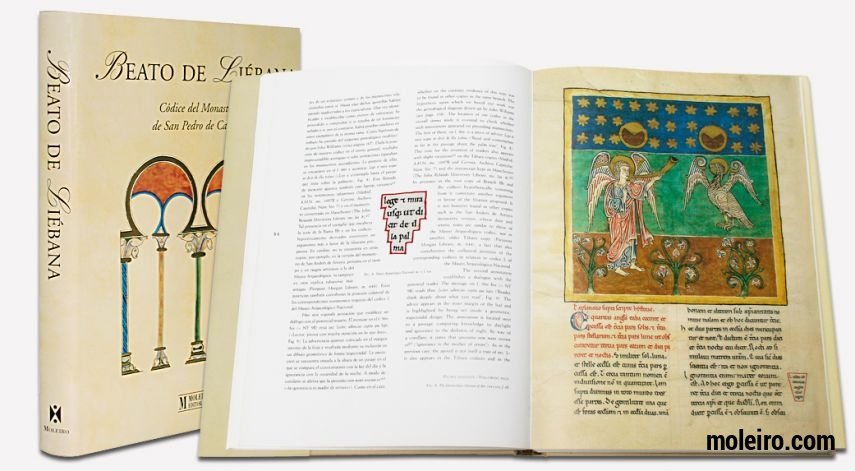
Codex of the Monastery of San Pedro de Cardeña
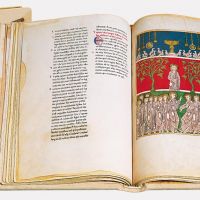
Size: 445 x 300 mm.
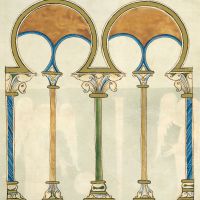
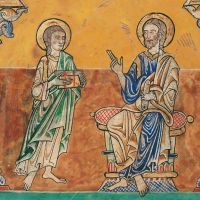
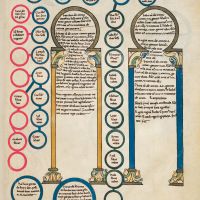
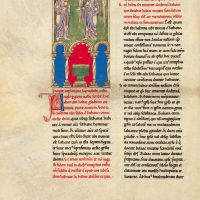
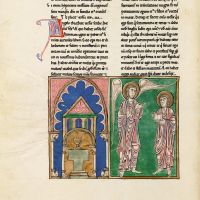
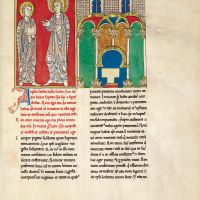
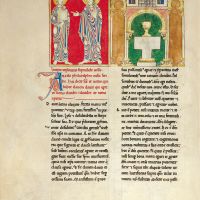
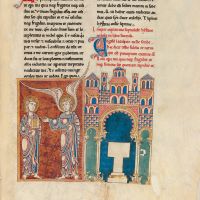
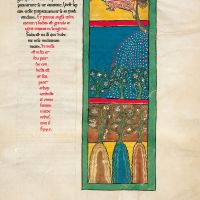
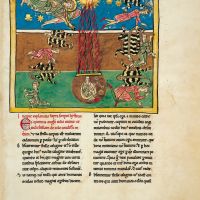
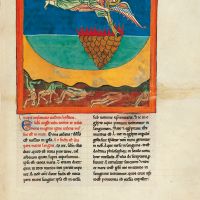
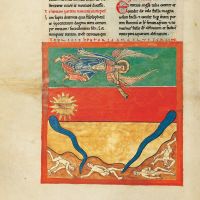
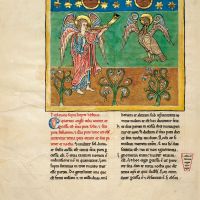
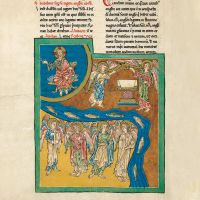
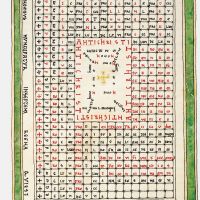
290 pages, 51 illuminations decorated with gold.
Written in Carolingian gothic script between 1175 and 1185 in the important scriptorium of the Monastery of San Pedro de Cardeña. The folios, in excellent condition, are housed in the Museo Arqueológico Nacional, Madrid (127 ff.), the Francisco de Zabálburu y Basabe Library, Madrid (2 ff.), Museu Diocesà, Gerona (1 f.) and the Metropolitan Museum of Art, New York (15 ff.).
Bound in tanned hide.
Leather case.
Full-colour commentary volume (368 p.) by Ángela Franco Mata (Head of the Department of Mediaeval Antiquities of the Museo Arqueológico Nacional), Manuel Sáchez Mariana (Director of the Biblioteca Histórica, Universidad Complutense de Madrid), Elisa Ruiz García (Senior lecturer in Palaeography and Diplomatics, Universidad Complutense de Madrid) and Eugenio Romero-Pose (Auxilliary Bishop of Madrid).
Unique and unrepeatable first edition, strictly limited to 987 numbered and authenticated copies.
ISBN: 978-84-88526-66-3
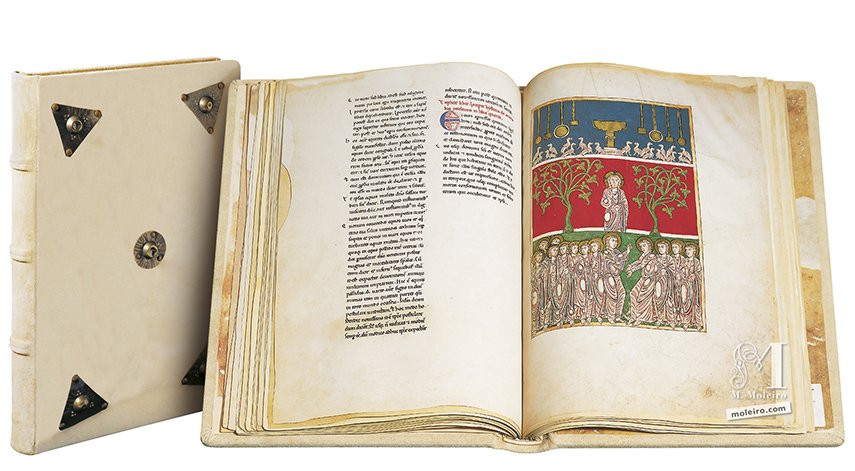
Size: 445 x 300 mm.
290 pages, 51 illuminations decorated with gold.
Written in Carolingian gothic script between 1175 and 1185 in the important scriptorium of the Monastery of San Pedro de Cardeña. The folios, in excellent condition, are housed in the Museo Arqueológico Nacional, Madrid (127 ff.), the Francisco de Zabálburu y Basabe Library, Madrid (2 ff.), Museu Diocesà, Gerona (1 f.) and the Metropolitan Museum of Art, New York (15 ff.).
Bound in tanned hide.
Leather case.
Full-colour commentary volume (368 p.) by Ángela Franco Mata (Head of the Department of Mediaeval Antiquities of the Museo Arqueológico Nacional), Manuel Sáchez Mariana (Director of the Biblioteca Histórica, Universidad Complutense de Madrid), Elisa Ruiz García (Senior lecturer in Palaeography and Diplomatics, Universidad Complutense de Madrid) and Eugenio Romero-Pose (Auxilliary Bishop of Madrid).
Unique and unrepeatable first edition, strictly limited to 987 numbered and authenticated copies.
ISBN: 978-84-88526-66-3